
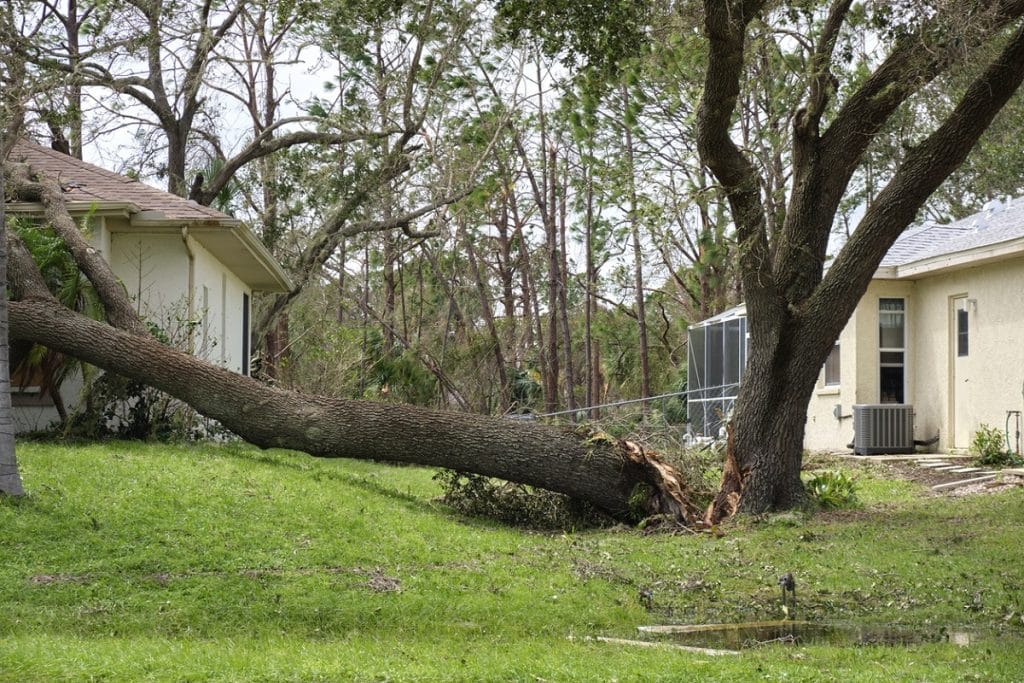
Summer storms can roll through fast and cause serious damage. A split trunk, dangling limbs or uprooted trees aren’t just eyesores. They’re genuine safety hazards that get more dangerous the longer they aren’t dealt with. Knowing how to handle storm-damaged trees quickly and correctly can protect your home, family and property value.
Assess the Damage Before You Touch Anything
The first step is a visual inspection from a safe distance. Look for hanging limbs, cracked trunks, exposed roots or branches caught in power lines. Never approach a tree that’s in contact with electrical wires. Call your utility company and let them handle that part. Once you know there are no electrical hazards, walk the perimeter and note how much of the tree is actually damaged. A tree that’s lost a single limb is a very different situation from one that’s split down the middle.
Know When to DIY and When to Call a Pro
Small branches under 4 in in diameter are generally manageable if you are careful and have the right tools. Anything larger or close to your home requires the help of a professional. Summer storms often leave trees in unstable conditions, so it’s important to leave damaged trees in the hands of an arborist.
Use the Right Equipment
If you’re tackling smaller debris yourself, proper equipment is a must. Invest in a sharp chainsaw, thick gloves, a hard hat and steel-toed boots. Never operate a chainsaw above shoulder height and always have someone with you when you’re working. Clear your exit path before making any cut, so you can move quickly if trees fall unexpectedly.
Remove Debris Promptly
Leaving storm debris sitting around your property throughout the summer isn’t a good idea. Downed wood attracts pests like termites and ants that can migrate from the debris into your home. Wet, decaying wood is also a breeding ground for fungal disease that can spread to healthy trees nearby. Chip what you can and schedule a debris pickup before it becomes a secondary issue.
Check Your Remaining Trees
After a major storm, the trees that are still standing need a closer look too. Root damage, bark wounds and internal decay aren’t always visible. A tree that looks fine after a storm might be structurally compromised and pose a fall risk weeks later. An experienced tree specialist can spot these warning signs and recommend treatment or removal before the next storm.
Storm-damaged trees require quick action. Whether you’re handling minor cleanup yourself or bringing in an experienced professional for major tree removal, acting fast will reduce risks and prevent further damage to your property. If you live in Peoria, AZ or a surrounding area and need storm damage services, make your first call to Veteran Family Tree.