
Tree trimming involves more than removing random branches. Poor trimming methods can weaken the structure and slow healthy growth. Careful cuts help trees recover more effectively over time.
Many homeowners trim trees without understanding proper pruning practices. Incorrect cuts may increase disease risks or create unstable branch growth. Learning basic trimming guidelines can help prevent unnecessary damage.
Remove Dead or Damaged Branches First
You should remove dead and damaged branches first. Weak branches can fall, posing safety concerns near structures. Diseased branches may also spread problems throughout the tree.
Removing unhealthy growth can improve airflow and sunlight penetration. Better airflow may help reduce moisture buildup inside dense canopies. Improved light exposure also supports healthier branch development.
Inspect branches carefully before making cuts. Cracked wood, hollow areas, and peeling bark may signal decline. Avoid removing healthy limbs without a clear purpose.
Avoid Removing Too Much at Once
Over-pruning can place heavy stress on a tree. Leaves help produce energy through photosynthesis. Removing too much foliage may weaken future growth.
Many arborists recommend limiting major pruning to a single growing season. Removing more than one-quarter of the canopy may create problems. Smaller trimming sessions are often safer for long-term tree health.
Protect the Branch Collar During Cuts
Flush cuts are a common pruning mistake. These cuts remove the swollen branch collar near the trunk. The collar helps trees seal wounds more effectively.
Cutting too close may increase the risk of decay and disease. Leaving the branch collar intact supports healthier recovery after trimming. Proper cuts also reduce long-term scarring.
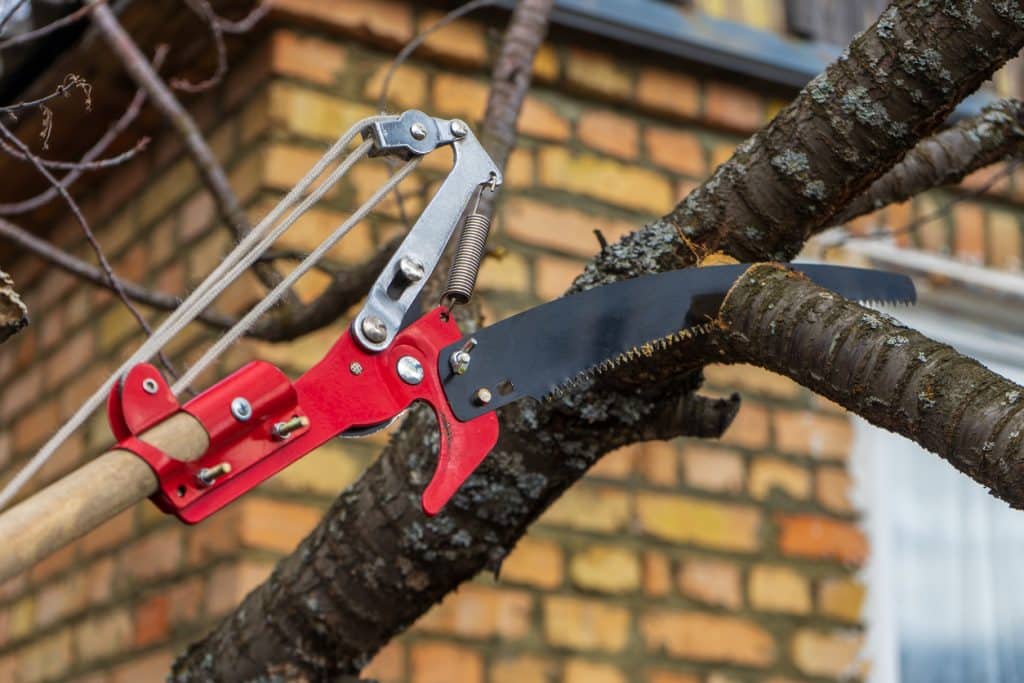
Use sharp and clean pruning tools whenever possible. Dull blades may tear bark instead of cutting cleanly. Clean cuts usually heal more efficiently.
Avoid Lion-Tailing Branches
Lion-tailing removes too much inner foliage from branches. This leaves clusters of leaves only near branch tips. The practice can reduce branch stability during windy conditions.
Inner foliage helps distribute weight more evenly across branches. Removing interior growth may increase stress on outer limbs. Weak branches may become more vulnerable to cracking.
Balanced pruning usually creates stronger branch structure. Avoid stripping branches down to bare interior wood. Trees generally perform better with evenly distributed foliage.
Different Seasons Support Different Trimming Goals
Dormant periods are often useful for larger structural pruning. Reduced growth activity may help trees recover from cuts more efficiently. Visibility also improves when leaves are absent.
Spring trimming often works best after flowering finishes. Summer pruning may help improve airflow and light penetration. Fall pruning should usually remain limited to damaged growth.
Each tree species responds differently to trimming practices. Growth habits, age, and health all influence pruning needs. Careful timing can help support healthier recovery and appearance.
Thoughtful trimming helps maintain tree structure and long-term health. Proper cuts, moderate pruning, and clean tools all matter. Good planning often prevents many common pruning mistakes. If you live in Peoria, AZ or a surrounding area and need tree trimming services, make your first call to Veteran Family Tree.