

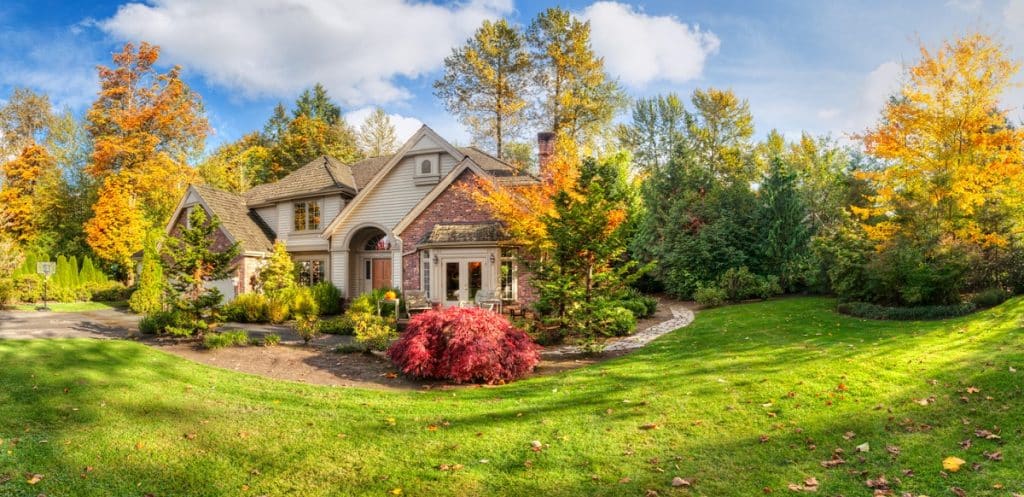
Whether they’re young and brimming with new life or mature with a stately presence, trees add personality to a home. No matter their age, all trees require attention and, especially, trimming. This important maintenance task will help support a long, healthy life of structural soundness. However, the approach to trimming will depend on whether your trees are young or mature (over 10 years old).
Young Trees Don’t Need Much at First
Young trees or saplings aren’t hard to care for, but these “babies” are still fragile. Arborists recommend cleaning up a few broken, crossing or clearly dead branches. Otherwise, leave it alone, including the small side branches growing along the trunk. Lateral branches help the trunk thicken and build the base it’ll need later.
It’s vital to start regular trimming once your tree turns 2 years old for the following goals:
1. A Defined Structure: Proper trimming ensures that a young tree develops the central leader or dominant main trunk. That way, branches grow under a supportive weight distribution.
2. Balanced Branch Spacing: Regular trimming ensures that lateral branches form evenly spaced and allows light and air to move through the canopy. Crowded branches are an open invitation for disease.
3. Early Structural Correction: Maintenance trimming can help young trees grow with structural integrity. You’ll be able to spot and remove forked stems or those with a “Y-shaped” trunk. Trees with weak junctions become dangerous and usually split as they get heavier and older.
Plan on trimming a young tree every two or three years for roughly its first two decades to determine its whole shape.
Mature Trees Need More Strategic Trimming
Older trees can be stately and appear strong and healthy. As they age past a decade, trees focus more on building roots than growing taller. You’ll notice that their bark is thicker and they will produce more flowers or fruits.
However, they require a sophisticated approach because mature trees don’t bounce back from bad cuts the way young ones do. Removing dead, dying, or diseased wood is still the priority, but every additional cut spends some of the tree’s energy reserves, and that’s not something it replaces quickly.
Arborists recommend trimming every three to five years for these objectives:
1. Not Over-Thinned: Mature trees thrive on their interior branches, and stripping out more than 25% of them not only looks bad but leaves remaining limbs top-heavy and more likely to snap in a storm.
2. Crown Reduction: If your tree has outgrown its spot, maybe too close to the house, a crown reduction trims back its height and spread without hacking into the trunk.
3. Conservative Cuts: Experts advise removing only branches 2 inches or less in diameter. Small cuts in old trees heal faster and close cleanly, instead of leaving openings for rot and pests to move in.
Young and mature trees have unique beauty and thrive only through regular maintenance. Don’t skip trimming them; learn what they need to keep them growing healthy. If you have concerns or require tree trimming services, contact Veteran Family Tree in Peoria, AZ.