
Most homeowners don’t think about their trees until something goes wrong. A beautiful oak tree might look harmless standing in your yard, but certain trees become ticking time bombs that drain your bank account. Dead or diseased trees pose serious risks to your property. Understanding these dangers helps you make informed decisions about which trees to keep and which ones to get rid of.
Foundation Damage That Creeps Up Slowly
Tree roots are remarkably strong. As they search for water and nutrients, they can infiltrate small cracks in your foundation and expand them over time. What starts as a hairline fracture can quickly become a major structural problem requiring expensive repair.
Large trees planted too close to houses are also problematic. Their root systems can extend far beyond the tree’s canopy, putting pressure on basement walls, cracking concrete slabs, and even affecting underground utility lines. Removing these trees before they cause damage is far more affordable than foundation repair.
Roof and Siding Destruction From Falling Limbs
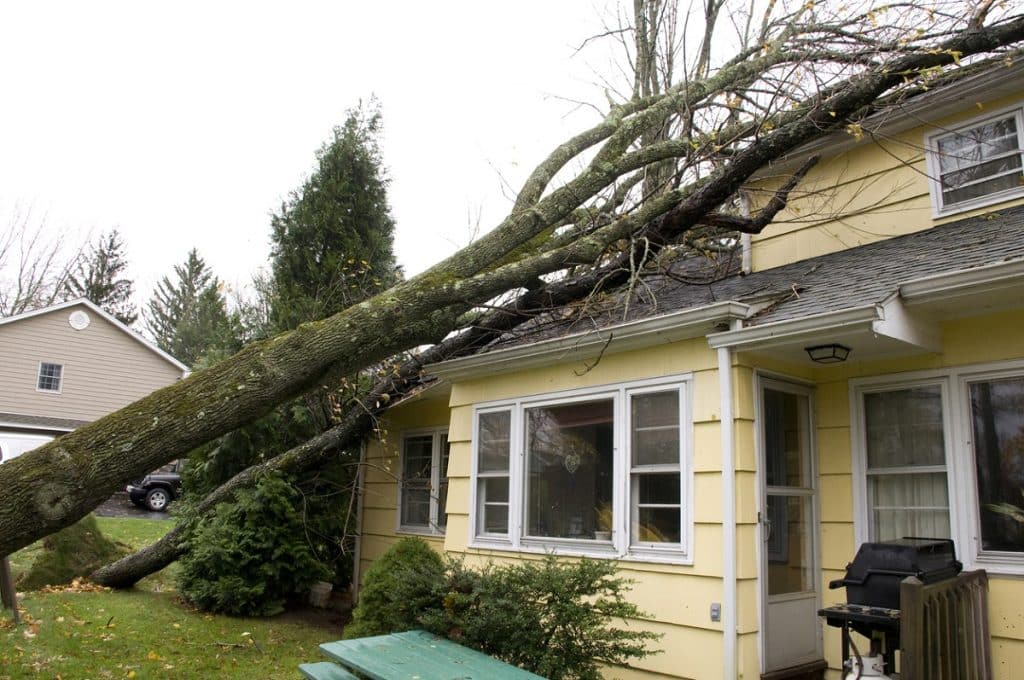
Heavy branches hanging over your roof create multiple hazards. During the winter, snow and ice add weight to already weakened limbs. When they break, they can puncture roofing materials, damage gutters, and crack siding.
Even without storms, overhanging branches scrape against shingles and shorten your roof’s life span. Falling branches during high winds can shatter windows and destroy outdoor structures like decks and patios. The cost of roof replacement or major repairs typically exceeds the price of tree removal, so it’s best to be proactive.
Power and Utility Line Disruption
Trees growing too close to power lines are dangerous. During heavy storms, branches can snap power lines, causing outages and even fires. Utility companies may charge you for repairs if your tree damages the electrical infrastructure on your property.
Tree roots can also infiltrate sewer and water lines, causing backups and leaks that require expensive excavation and pipe replacement. This type of underground damage usually goes unnoticed until you’re facing a plumbing emergency.
Insurance Complications You Should Know About
Here’s something a lot of homeowners don’t know: Insurance companies may deny claims if damage is the result of a tree you knew was hazardous but didn’t remove. If a tree specialist or inspector previously identified a tree as dangerous, you could be held liable for any property damage. Proactive removal demonstrates responsible property maintenance and protects your insurance coverage when you need it most.
Taking Action Early
Regular tree assessments help identify potential hazards before they become disasters. Be on the lookout for signs of fungal growth, dead branches, leaning trunks, and root damage. When in doubt, getting a professional evaluation can give you peace of mind.
If you’re in the Peoria, AZ area and you have concerns about your trees, Veteran Family Tree offers consultations and tree removal services to keep your yard looking beautiful. Sometimes, the best way to preserve your home’s value is knowing when to let a problematic tree go.